




In a world that values speed, performance, and action, Yin Yoga offers a radically different path: one of slowing down, inner listening, and regeneration. Inspired by Taoist philosophy and the principles of Traditional Chinese Medicine (TCM), this gentle and profound practice invites us to cultivate Yin —this calm, nourishing, and introspective energy —often neglected in our modern lives.
At Nuence MTC, we believe that 'care' is not limited to the skin: it extends to overall well-being through breath, movement, and energy. Yin Yoga naturally fits into this vision.
1. Origins of Yin Yoga: between Tao and meridians
Yin Yoga emerged in the 1980s, but its roots lie in Taoism and Chinese medicine. Unlike dynamic (Yang) forms of yoga, Yin Yoga focuses on:
- Poses held for several minutes , often on the floor
- Slow, conscious breathing
- Stimulation of the energy meridians , as in acupuncture
Each posture targets one or more meridians—those invisible channels through which Qi (vital energy) flows. By holding the posture, a gentle compression or stretch is created, which promotes the release of stagnation , the nourishment of Yin , and the regulation of Shen (Spirit).

2. The meridians activated by Yin Yoga
According to Traditional Chinese Medicine (TCM), the meridians most used in Yin Yoga are:
| Meridian | Organ | Emotions linked | Intentions / Effects | Typical postures |
|---|---|---|---|---|
| Gān | Liver | Anger, frustration | Flexibility, liberation | Dragon, Sleeping Swan |
| Shen | Kidneys | Fear, fatigue |
Deep vitality |
Caterpillar, Butterfly |
| Xin | Heart | Excessive joy , agitation | Shen 's Calm | Melting Heart, Sphinx |
| Pí | Spleen / Pancreas | Rumination, worry | Anchoring, digestion | Frog, Child's Pose |
| Fèi | Lungs | Sadness, letting go | Breathing, clarity |
Shoelace, Saddle |
Each posture becomes an energetic ritual that helps to rebalance emotions and restart the flow of Qi.

3. Yin Yoga and the Seasons
Traditional Chinese Medicine (TCM) links each season to an organ, an emotion, and an element. Yin Yoga adapts perfectly to these seasonal rhythms:
- Winter (Kidney/Water) : introspection, rest, postures for the lower back
- Spring (Liver/Wood) : renewal, flexibility, gentle twists
- Summer (Heart/Fire) : expansion, joy, opening of the chest
- Autumn (Lung/Metal) : letting go, breathing, forward bend
At Nuence MTC, this seasonal approach resonates with our treatments and routines: Each season opens up a new way of moving, breathing, nourishing ourselves and taking care of ourselves.
4. Effects on the Shen and Qi
Yin Yoga has a profound effect on:
- The Shen (Spirit) : calmness, mental clarity, restful sleep
- Qi : stimulating circulation, reducing stagnation
- Yin : energetic hydration, regeneration, grounding
It is an ideal practice during menopause , chronic stress , or emotional fatigue — states where Yin is often weakened.

5. Expand the practice with Nuence-MTC
Combining Yin Yoga with Nuence-TCM treatments creates a truly holistic experience, especially after the practice:
- Tasting a drink from our partner Planeta Verd.
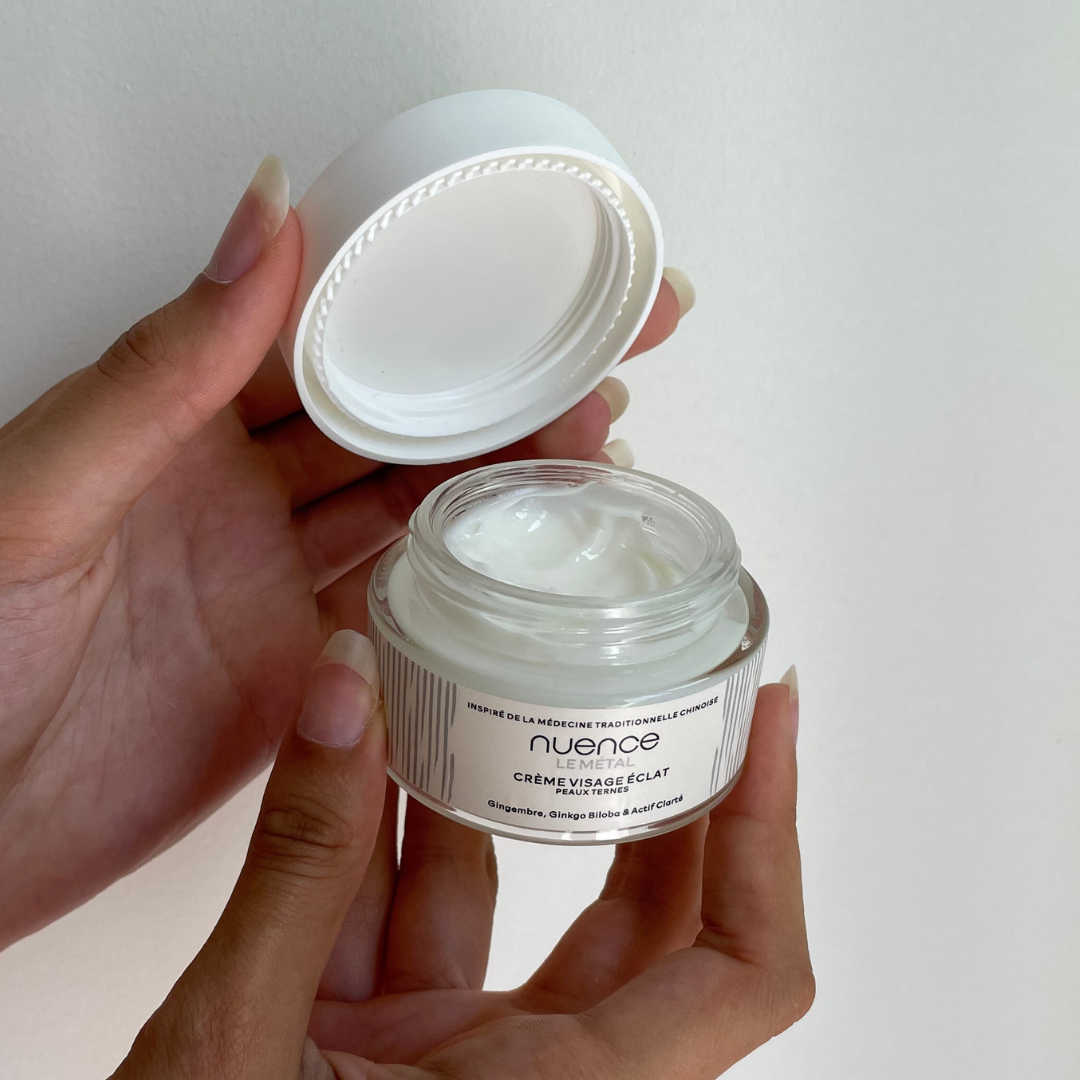
- Application of a Nuence-MTC facial treatment to hydrate and soothe the skin.
- Gentle massage of the affected meridians with nourishing treatment oil.

Conclusion: Slow down to improve traffic flow
Yin Yoga is deeply rooted in Traditional Chinese Medicine , connecting the body, energy, meridians, and seasons, while cultivating a slow, introspective, and restorative approach. It is not a pause, but a path—a way to return to oneself, to allow Qi to flow, and to nourish Yin in a world that constantly pushes us toward action.
Yin Yoga reminds us that slowing down is not giving up: it is creating the space where the body, mind and energy can finally reharmonize.

