

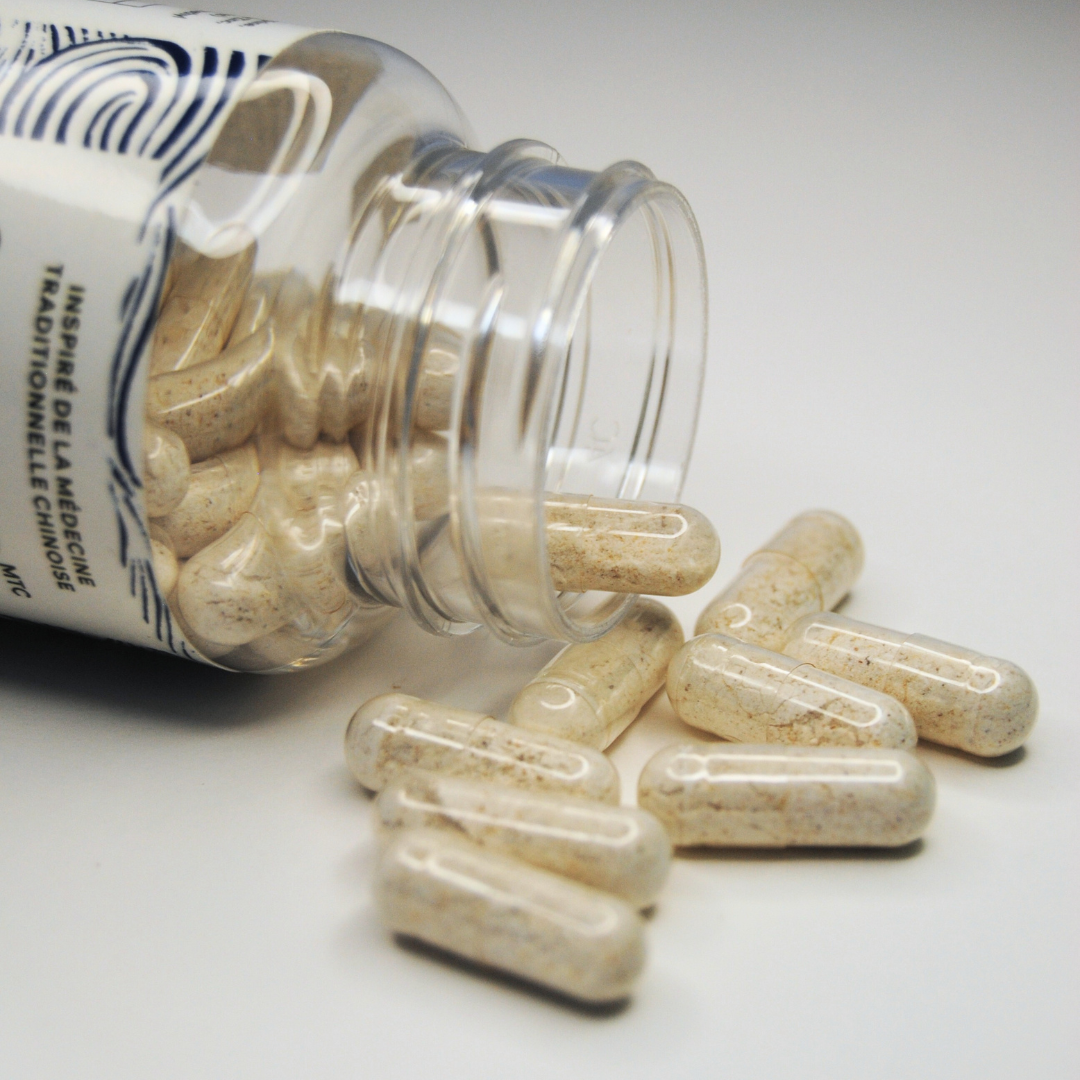



Medicinal mushrooms have held a central place in Traditional Chinese Medicine for millennia. Today, their popularity is growing in the West: mycotherapy, immune-boosting supplements… Reishi, Shiitake, Cordyceps, or Maitake have become household names. Given this growing interest, we felt it was essential to shed some light on these treasures long overlooked with remarkable properties.
1. Mushrooms: Between Tradition and Trend
While medicinal mushrooms are currently popular for their effects on immunity, vitality, and stress management, their use is not new. In Traditional Chinese Medicine (TCM), they have been used for over two thousand years to nourish Qi, strengthen Jing, and calm Shen. In other words: to support vital energy, preserve longevity, and harmonize the mind. Their resurgence in the West is therefore not a passing fad, but rather the rediscovery of ancient knowledge.
2. The role of mushrooms in Chinese medicine
In foundational texts like the Shennong Bencao Jing , medicinal mushrooms are classified among the “ superior tonics,” substances capable of profoundly strengthening the body without depleting it. They act on several key organs—the Kidney, Lung, Heart, and Liver—and are traditionally used to support immunity, promote longevity, soothe emotions, and regulate internal energy. Their action is subtle yet profound, and this is precisely what makes them so valuable.
These are substances that can be used all year round , because their action is gentle, gradual and non-aggressive.
Unlike some very “hot” or very “cold” plants, mushrooms often have a neutral or slightly warm nature , making them compatible with prolonged use.
3. A closer look at some iconic mushrooms
Each mushroom has a particular energetic signature and a well-defined field of action.
Reishi (Ling Zhi) is associated with the Heart and Lungs. In Traditional Chinese Medicine (TCM), it calms the Shen, tonifies Qi, and supports Jing. Today, it is primarily sought after for its effects on stress, sleep, and immunity. It is therefore beneficial in summer to soothe the Shen, and also in autumn to support the Lungs.

Shiitake (Xiang Gu) acts on the Spleen and Stomach. It strengthens digestion and mobilizes Qi. In a modern approach, it is often used for its impact on cholesterol and the gut microbiota. It is beneficial in late summer or during the transitional seasons, times associated with Spleen energy.

Cordyceps (Dong Chong Xia Cao) tonifies Kidney Yang and supports respiration. It has become essential for vitality, endurance, and recovery. It is particularly beneficial in winter, the Kidney season.

Maitake (Hui Shu Hua) regulates metabolism by acting on the Liver and Spleen. It is now found in formulations designed to support blood sugar and immunity. Ideal to accompany spring, the season of the Liver.

Finally, Hericium (Hou Tou Gu) nourishes the Shen and supports the nerves, which are connected to the Stomach and Heart. It is often associated with cognition, concentration, and digestive comfort. It is beneficial all year round, but particularly during periods of digestive stress.

4. Fungi and the cycle of the 5 elements
Because of their energetic affinity with certain organs, medicinal mushrooms naturally find their place in the logic of the Five Elements, as illustrated in the grid below.
| Mushroom | Organ | Element | Energy logic |
|---|---|---|---|
| Reishi | Heart / Lung | Fire / Metal | Calms the Shen , regulates Lung Qi |
| Shiitake | Spleen / Stomach | Earth | Supports digestion , mobilizes Qi |
| Cordyceps | Kidney / Lung | Water / Metal | Tonifies Yang , supports respiration |
| Maitake | Liver / Spleen | Wood / Earth | Regulates metabolism , harmonizes Qi |
| Hericium | Stomach / Heart | Earth / Fire | Nourishes the Shen, supports the nerves |
5. How are medicinal mushrooms produced today?
Medicinal mushrooms are now primarily cultivated in controlled environments. They are no longer harvested from the wild. Modern cultivation allows for more consistent quality , improved food safety, and the preservation of natural resources.
China remains the world leader with approximately 80% of global production , followed by Japan, Korea and the United States.
The harvesting technique and time depend on the type of mushroom. Once harvested, The mushrooms are dried, ground and concentrated.
Medicinal mushrooms must meet a strict set of health regulations before being marketed, whether in Europe, the United States, or Asia. It's a highly regulated sector, and that's a good thing for consumers! The requirements vary from country to country, but the main principles are similar: safety, purity (absence of contaminants), traceability (country of origin, cultivation method, batch and production date, etc.) , and regulatory compliance . If the mushrooms are intended for topical use, they must meet cosmetic standards.
6. Mushrooms and cosmetics: an emerging avenue
The beauty industry is also beginning to take an interest in medicinal mushrooms. Certain extracts, such as those of Reishi or Shiitake, are being studied for their ability to soothe sensitive skin, protect against oxidative stress, or strengthen the skin barrier. This approach remains relatively unknown, but it opens up exciting possibilities for holistic skincare, where skin and inner balance are in constant dialogue.
7. Dietetics: Recipes that harmonize body and mind
Medicinal mushrooms are found in several traditional preparations, often intended to nourish Qi and support the body from within. One of the most emblematic recipes is Reishi tonic broth, where slices of Ling Zhi simmer for a long time with ginger and a few goji berries: a sweet and slightly bitter beverage, taken to soothe Shen and strengthen the immune system.

More indulgent, the Shiitake and root vegetable stew , very common in East Asia, combines the woody aroma of Xiang Gu with nourishing ingredients like daikon (white radish) or carrot, creating a comforting dish that supports the Spleen and digestive energy.
These recipes, simple yet deeply rooted in tradition, illustrate how medicinal mushrooms naturally fit into the daily diet to harmonize body and mind.
Most of these mushrooms are available on our partner Planeta Verd 's website.
8. Why Nuence MTC doesn't use it (yet)
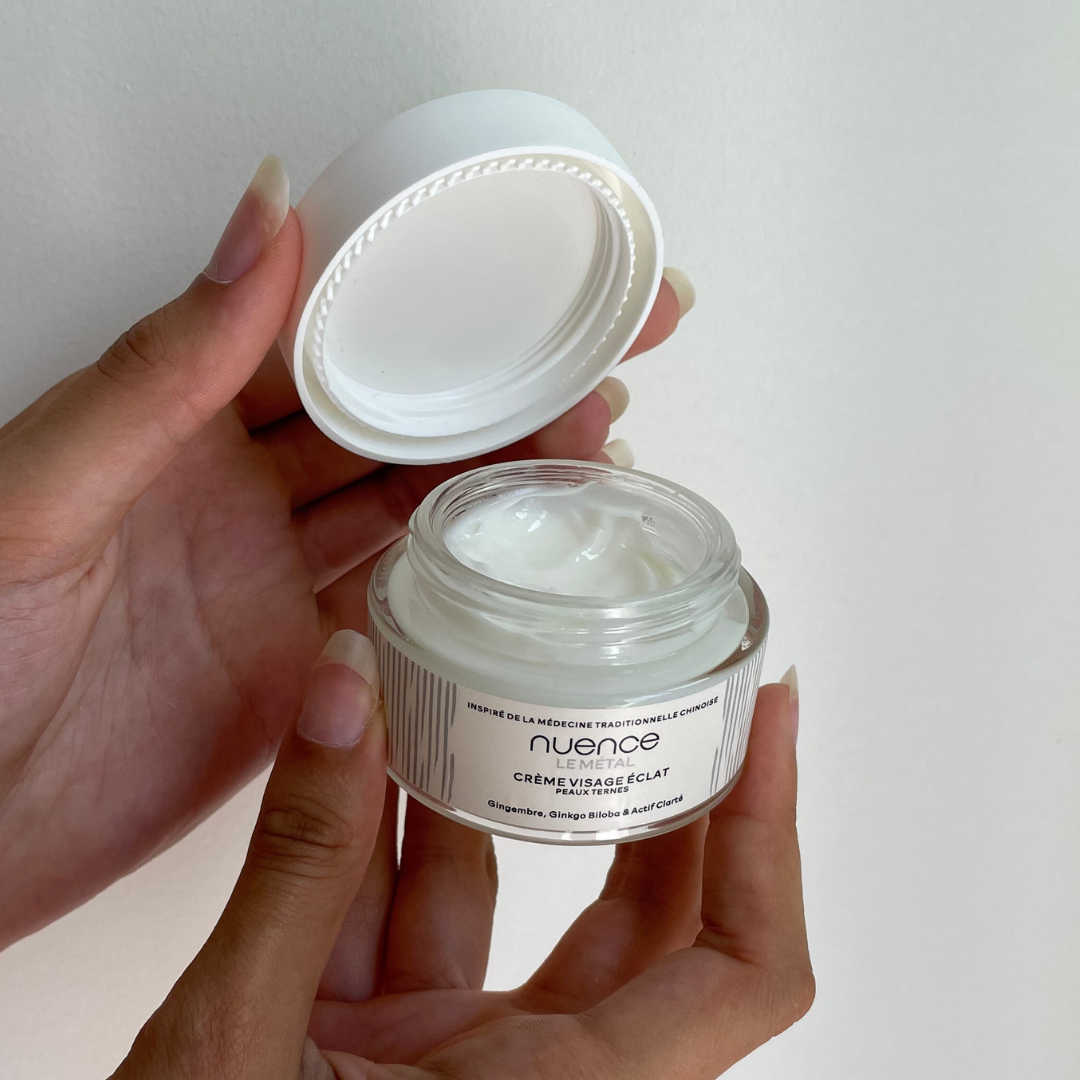
At Nuence, we have chosen to focus our formulas on the plants and roots best suited for topical use. This selection allows us to maintain the clarity, consistency, and efficacy of our skincare products. This does not mean that medicinal mushrooms have no place in cosmetics, but simply that we expect fungal extracts to demonstrate their effectiveness in topical application. Time will tell if a collaboration between mycotherapy and Nuence TCM cosmetics will come to fruition.
To conclude
Medicinal mushrooms occupy a unique place in the living world. Neither plants nor animals, they exist at the boundary between the two. Today, they play a significant role in research, nutrition, and practices inspired by Traditional Chinese Medicine (TCM). Their bioactive richness, their organic tropism, and their versatility make them ingredients that are studied with great seriousness, both for overall health and for emerging applications in cosmetics.
And you, what place do you want to give them in your routine or projects in 2026?

