

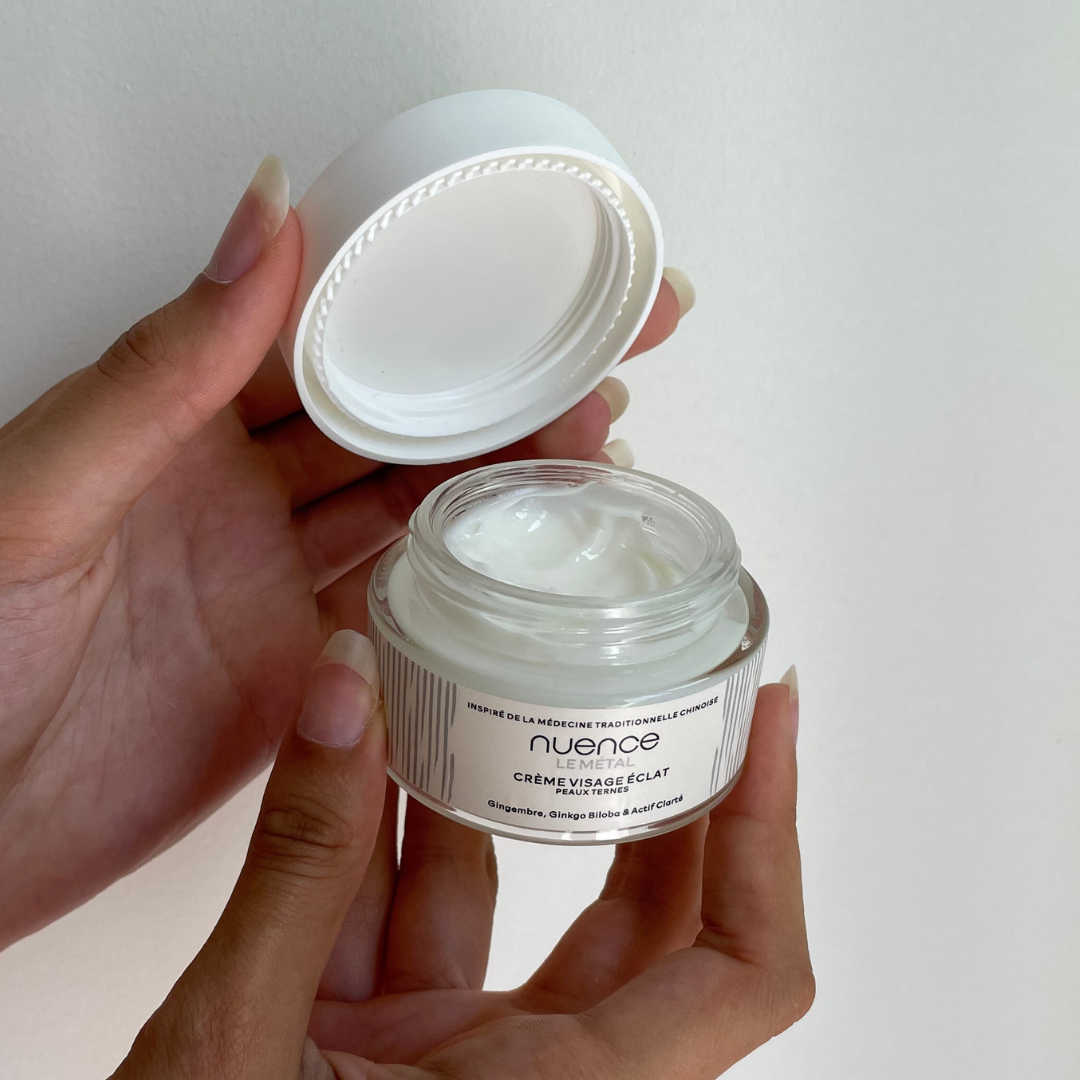
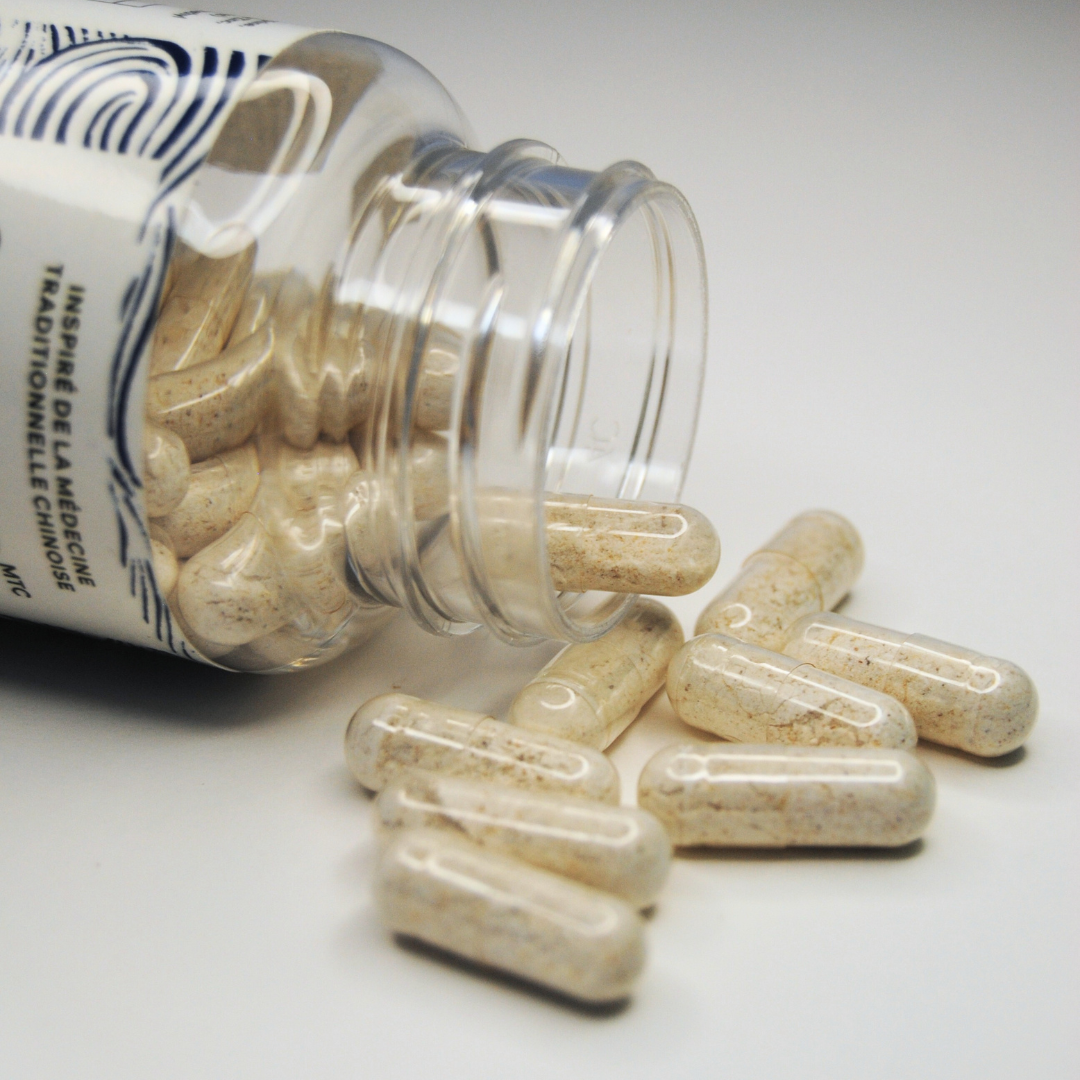



Less known to Westerners than its Korean neighbor, K-Beauty, C-Beauty stands out for its origins rooted in traditional Chinese medicine. This is a topic that the Nuence-MTC team has chosen to dedicate this article to, in order to better understand this source of inspiration—a holistic beauty that takes root in nature, energy, and wisdom.
1. Origins: The Sacred Beauty of Chinese Empresses
In the palaces of the Han, Tang, and Song dynasties, empresses and court ladies followed precise rituals, inspired by the principles of Traditional Chinese Medicine (TCM).
A beauty intimately linked to health, vital energy, and inner harmony: it reflected the balance of Qi, blood circulation, sleep quality, and peace of mind.
It was based on three pillars:
• Medicinal plants: Ginseng, goji, astragalus, white peony, licorice, lotus…
Each plant is chosen for its energetic as well as cosmetic action.
• Inner balance: The skin being a mirror of the internal state (digestion, stress, sleep, emotions), seeking the harmony of Qi was fundamental for revealing one's outer beauty.
• Respect for cycles and seasons: The skincare of the time evolved according to the seasons, humidity, heat, wind—the famous climatic factors of TCM.

2. Emblematic practices and plants of the empresses:
Among the beauty secrets of the empresses, pearl powder for unifying and soothing, jade rollers for stimulating circulation, and plant decoctions for nourishing the skin from within occupied a central place.
Empresses also used:
-
white ginseng, to tonify energy and brighten the complexion,
-
lotus and chrysanthemum, to clarify, refresh, and soothe,
-
floral waters, to balance the skin according to the day's climate,
-
night infusions, to calm the mind and promote restorative sleep.

3. Pearl powder: a fascinating historical treasure
Pearl powder (zhenzhu fen, 珍珠粉) is one of the most prestigious ingredients in Chinese imperial beauty. Its use dates back more than 2,000 years, spanning several dynasties.
Han Dynasty (206 BC – 220 AD): The earliest medical texts mention pearl as calming, brightening, and healing. It was used by court ladies to soften the skin and reduce spots.
Tang Dynasty (618–907) — the golden age of beauty Empress Wu Zetian, famous for her luminous skin at over 60, used a daily mixture of: pearl powder, ginseng, angelica root. She applied it as a night mask, a ritual that became legendary.
Song Dynasty (960–1279): Pearl powder became a luxury cosmetic, reserved for the elite. It was mixed with floral waters (lotus, chrysanthemum) to create brightening pastes.
Ming and Qing Dynasties (1368–1912): Official pharmacopoeias (like the Bencao Gangmu) describe pearl as “nourishing Yin, calming the spirit, illuminating the face.” Qing empresses used it as a loose powder to mattify and unify the complexion.

Why was pearl powder so prized? In addition to its topical properties (radiance and brightness of the complexion), soothing and anti-inflammatory benefits, pearl represented a symbol of purity and nobility, refined femininity, and longevity. Empresses also consumed it as a drinking powder, mixed with tea or honey, to calm the mind, improve sleep, and nourish the skin from within.
4. Other rituals and ceremonies:
The Imperial Chrysanthemum Bath (菊花浴)
Tang empresses took baths infused with chrysanthemum, lotus leaves, mandarin peel, and peony petals. This was to clarify the skin, soothe internal heat, and harmonize the Heart Qi.

Jade massage (玉石按摩)
This stone was considered a "living" stone, carrying pure energy. Much more than an aesthetic gesture, the use of jade was already renowned for activating Qi circulation, preventing aging, and soothing the mind.
The "wind and heat" ritual
Wind (Feng 风) and Heat (Re 热): these two factors were considered the main causes of redness, irritation, dryness, tightness, spots, and premature aging.
Court women therefore adapted their skincare according to the daily or seasonal climate.
Anti-Wind Ritual (Tang and Song dynasties): A hot black sesame oil, a pearl + angelica mask, and a chrysanthemum infusion lotion were applied. This is the ancestor of "skin barrier" care.
Anti-Heat Ritual (Ming and Qing dynasties): The ancestor of modern anti-inflammatory care, it heavily featured medicinal plants: lotus (cooling), mint (clarifying), rose water (calming).
Silk masks (蚕丝面膜)
Invented during the Song dynasty, these consist of silk sheets soaked in plant infusions that are applied to the face to hydrate and brighten.
They are the ancestor of modern sheet masks.
The Empress's Night Ritual
Before sleeping, this ritual consisted of drinking a lotus infusion to calm the mind, applying a pearl + ginseng mask, and performing breathing meditation to "bring down the Qi."

5. Nuence-MTC: Chinese beauty reinterpreted with modernity
Like the empresses of old, Nuence-MTC believes that beauty is not superficial, but a state of balance and harmony. Faithful to the heritage of TCM, it also relies on:
- The use of medicinal plants
- A holistic vision of care
- The importance of seasons and elements
- The search for an inner balance that is reflected externally
- Wellness rituals that go beyond a simple cosmetic routine.
In our contemporary interpretation of this expertise and wisdom, we have been careful to reinvent these practices with simplicity and modernity. As evidence, Gua Sha, functional beverages, and seasonal treatments… all ways to honor tradition while adapting it to today's life.

Conclusion
From the pearl powder of empresses to modern TCM-inspired treatments, C-Beauty tells a story: that of beauty rooted in nature, energy, and wisdom. An approach that already linked the skin, other organs, the environment, and emotions.
And you, what importance do you give to rituals, seasons, and energy in your own vision of beauty?

